Albania to America…Still the Dream? Albania all’America…Ancora il Sogno?

I find myself in a state of quandry over many Albanians’ wish to want to immigrate to America in today’s age. I am reminded of a time when my family did the exact same thing and for better or worse we went to America in 1971. The reasons for our going were primarily personal, my father was a political refugee in Italy and had lived there for 25 years, marrying my mother and fathering four children. His brother, who was also a refugee, moved to America in the late 1960’s and made a home in New York City. Their circle of friends in NY was vast and there was a huge amount of support waiting for us when we arrived. My father had secured a job as did my mother, we enrolled in American schools and so began our journey. It was not easy by any means. We children did not speak a word of English, and it was a rough road at first. New York City’s population at the time was around 7 million, about double that of Rome, so it goes without saying that it was a major culture shock when we arrived. New York’s airport alone was a wonder, let alone the traffic and uniformity of the neighborhoods. My first impression flying into New York was “everything looked the same”, all the houses were lined up like cookies out of a cookie cutter; there were yellow cabs everywhere; tall, tall buildings, it was truly another world, a fantasy world. But I’m getting away from the point of this blog! Yes America is great and for us it worked out very well. But I believe had my father been able to return to Albania at the time I would be writing a different story. He was a nationalist and loved Albania and always wished to come back, however history had other plans and so things did not work out as he had hoped, but they worked out nevertheless.

Today Albania is a free country. Granted there are still many hurdles to overcome, but having been here six months I know that it’s possible for Albania to move forward and ultimately become the country everyone wishes it to be, if only not so many Albanians wanted to leave. And this is where I am at a crossroad. I can understand their wish for a better life for themselves and their children, I can understand their infatuation with America and all that it promises, I can also understand how everything to them seems bleak right now, after fifty years of oppression it destroys something in the soul. What I can’t understand is their talk about the inability to change the way things are done in Albania – Did they not break free from communism? Did they not hold on to the dream of a free Albania!

The pilgrims went to America to escape the religious oppression in England, Albanians are not oppressed anymore, they have won that battle, they are free now, they should put all their might behind their country, encourage their children to stay and make a life here, get involved in the “system” so they can change it. Things are not going to ever progress if everyone leaves and all the same people are left to run the country the way they want to. I hear complaints of systemic corruption in every corner of municipality. Who then will make Albania the place everyone wants it to be? The communists are gone but many Albanians appear to have lost the “Can Do Attitude” exhibited in the Albanians who go abroad. They need it back, retrieve it from somewhere deep within their being, I know it’s there, I have seen it in a number of Albanians who start businesses here and thrive, who get involved in local politics and persevere. America was not built in a day or in twenty years. Albania cannot be built in twenty years, it needs time to mature, to be nurtured, time to heal and progress, with patience. You cannot just blink your eyes and be in Shangri La.

Life in America is hard, you cannot be a lawyer or a doctor in Albania and expect to be one there. Many Albanians who move there find themselves working in a kitchen or driving a taxi, having a couple of jobs to make ends meet. The pace of life in America is totally different than here. Faster, hectic, chaotic. I am not trying to be a downer and steer people from going to America, I love America, it’s a great country, but people have to realize that the streets are not paved in gold, jobs are not that easy to come by, taxes are very high, there is no socialized medicine (yet), and the list goes on.

If you are lucky enough to win the lottery and make it to the US go with a very open mind. The differences between here and there are 180 degrees. The lifestyle is 180 degrees. The freedoms Americans enjoy are, for the most part, great, but there are also not so great aspects of those freedoms. You will deal with a very open and liberal lifestyle, inform yourself before going of everything you possibly can, from how much a loaf of bread costs to which state allows gay marriage. Albanians have been sheltered most of their lives and might find that the liberties other countries welcome with open arms are not in line with their idea of liberty. Educate yourself on the laws and government. Study the state you want to live in inside and out, so that you are not going to be in complete shock when you arrive. Keep your chin up and if you work hard you will find a good life there.

But please….please don’t forget Albania!!

_______________________________________________________________________________________


Mi trovo in uno stato di quandry nel corso di molti albanesi che desiderano di voler emigrare in America in questi tempi. Mi viene in mente il momento in cui la mia famiglia ha fatto la stessa cosa e per bene o male siamo andati in America nel 1971. Le ragioni della nostra emigrazione erano principalmente personale, mio padre era un rifugiato politico in Italia e aveva vissuto lì per 25 anni, sposato mia madre e avuto quattro figli. Suo fratello, anche lui un profugo, si trasferi’ in America alla fine degli anni 1960 e abito’ a New York City. Il loro cerchio di amici a NY era vasto e c’era una quantità enorme di sostegno in attesa di noi quando siamo arrivati. I genitori si erano assicurati un posto di lavoro, ci siamo iscritti nelle scuole Americane, e così inizio’ il nostro viaggio. Non è stato facile con. Noi bambini non parlavano una parola di inglese, ed era una strada molto difficile a l’inizio. La popolazione di New York City a quel tempo era circa 7 milioni, quasi il doppio di quella di Roma, quindi è ovvio che è stato un grande shock culturale quando siamo arrivati. L’aeroporto di New York era una meraviglia, per non parlare del traffico e l’uniformità dei quartieri. La mia prima impressione che ho avuto volando sopra New York è stata che “tutto sembrava lo stesso”, tutte le case allineate come biscottini, c’erano taxi gialli ovunque, alti, alti edifici, era davvero un altro mondo, un mondo di fantasia. Ma mi sto’ allontanando dal punto di questo blog! Sì, l’America è grande e per noi e’ andata molto bene. Ma credo che fosse mio padre stato in grado di tornare in Albania starei scrivendo una storia diversa. Egli era un nazionalista e amava l’Albania e ha sempre voluto ritornare, però la storia aveva altri piani e quindi le cose non sono andate come aveva sperato, ma hanno funzionato comunque.

Oggi l’Albania è un paese libero. Certamente ci sono ancora molti ostacoli da superare, ma essendo stata qui sei mesi vedo che è possibile per l’Albania ad andare avanti e, infine, diventare il paese che ognuno spera che sia, se solo non tanti albanesi vorrebbero andare via. E questo è dove mi trovo a un bivio. Posso capire il loro desiderio di una vita migliore per se e per i propri figli, posso capire la loro infatuazione per l’America e tutto ciò che promette, posso anche capire come tutto ciò a loro sembra desolante oggi perche’ dopo 50 anni di oppressione qualcosa nell’anima si distrugge. Quello che non riesco a capire è che parlano dell’ impossibilità di cambiare il modo in cui le cose vengono fatte in Albania – Non si sono liberati dal comunismo? Non si sono aggrappati al sogno di un’Albania libera!

I pellegrini sono andati in America per sfuggire l’oppressione religiosa in Inghilterra, gli albanesi non sono più oppressi, hanno vinto quella battaglia, sono liberi ora, dovrebbero mettere tutte le loro forze dietro il loro paese, incoraggiare i figli a rimanere e fare una vita qui’, coinvolti nel “sistema” in modo che possano cambiare. Non ci saranno mai progressi se si  lascia tutto a le stesse persone, a  governare il paese nel modo che vogliono loro. Ho sentito le denunce di corruzione sistemiche in ogni angolo del comune. Chi poi farà l’Albania il paese che tutti vogliono? I comunisti sono andati ma molti albanesi sembrano aver perso la “Can do Attitude” esposta nei albanesi che si recano all’estero. Hanno bisogno di nuovo di recuperarla da qualche parte nel profondo del loro essere, so che è lì, l’ho vista in un certo numero di albanesi che iniziano aziende qui e prosperano, che si impegnano nella politica locale e perseverino. L’America non è stata costruita in un giorno o in venti anni. L’Albania non può essere costruito in 20 anni, ha bisogno di tempo per maturare, per essere nutrita, il tempo di guarire e di progredire, con pazienza. Non si può semplicemente lampeggiare gli occhi ed essere in Shangri La.

La vita in America è difficile, non si può essere un avvocato o un medico in Albania e pensare di essere uno lì. Molti albanesi che si trasferiscono lì si trovano a lavorare in una cucina o autisti di un taxi, con un paio di lavori per pagare l’affitto. Il ritmo della vita in America è totalmente diverso da qui. Più veloce, frenetica, caotica. Non sto cercando di essere un handicap e orientare le persone di non andare in America, io amo l’America, è un grande paese, ma la gente deve rendersi conto che le strade non sono lastricate d’oro, i lavori non sono così facili da trovare, le tasse sono molto alte, non c’è medicina socializzata (ancora), e l’elenco potrebbe continuare.

Se avete la fortuna di vincere la lotteria e andare negli Stati Uniti andate con una mente molto aperta. Le differenze tra qui e li sono 180 gradi. Lo stile di vita è di 180 gradi diversa, le libertà americane che si godono sono, per la maggior parte, meravigliose, ma ci sono anche tali aspetti non cosi’ meravigliosi. Vi dovrete abituare a fare uno stile di vita molto aperto e liberale, informatevi prima di andare di tutto ciò che potete, da quanto costa una pagnotta di pane a quale stato consente il matrimonio gay. Li albanesi sono stati rifugiati nella maggior parte della loro vita e possono scoprire che le libertà che altri paesi accolgono a braccia aperte non sono in linea con le loro idee di libertà. Educatevi sulle leggi e del governo. Studiate lo stato in qui desiderate vivere, in modo che non andate e rimanete in uno stato di shock totale quando arrivate. Mantenete il mento su e se vi impegnate al lavoro, qualunque lavoro, troverete una buona vita.

Ma per favore …. per favore non dimenticate l’Albania!

//

Laç

A week ago Vince and I went to Laç. It was a beautiful sunny day and the drive south, about 1 1/2 hours from Shkodra, was very pleasant. We had never been to Laç so it was a new experience.

Laç is one of many cities in Albania that is undergoing major renovations. You can see bunkers everywhere, especially in the park in the center of the city. We drove by the square with the park and just from the car I counted 4! Ugly cement domes just sitting there. Hopefully they will cover them somewhat with foliage, but not completely because I feel they should be visible as a reminder of the country’s past.

church

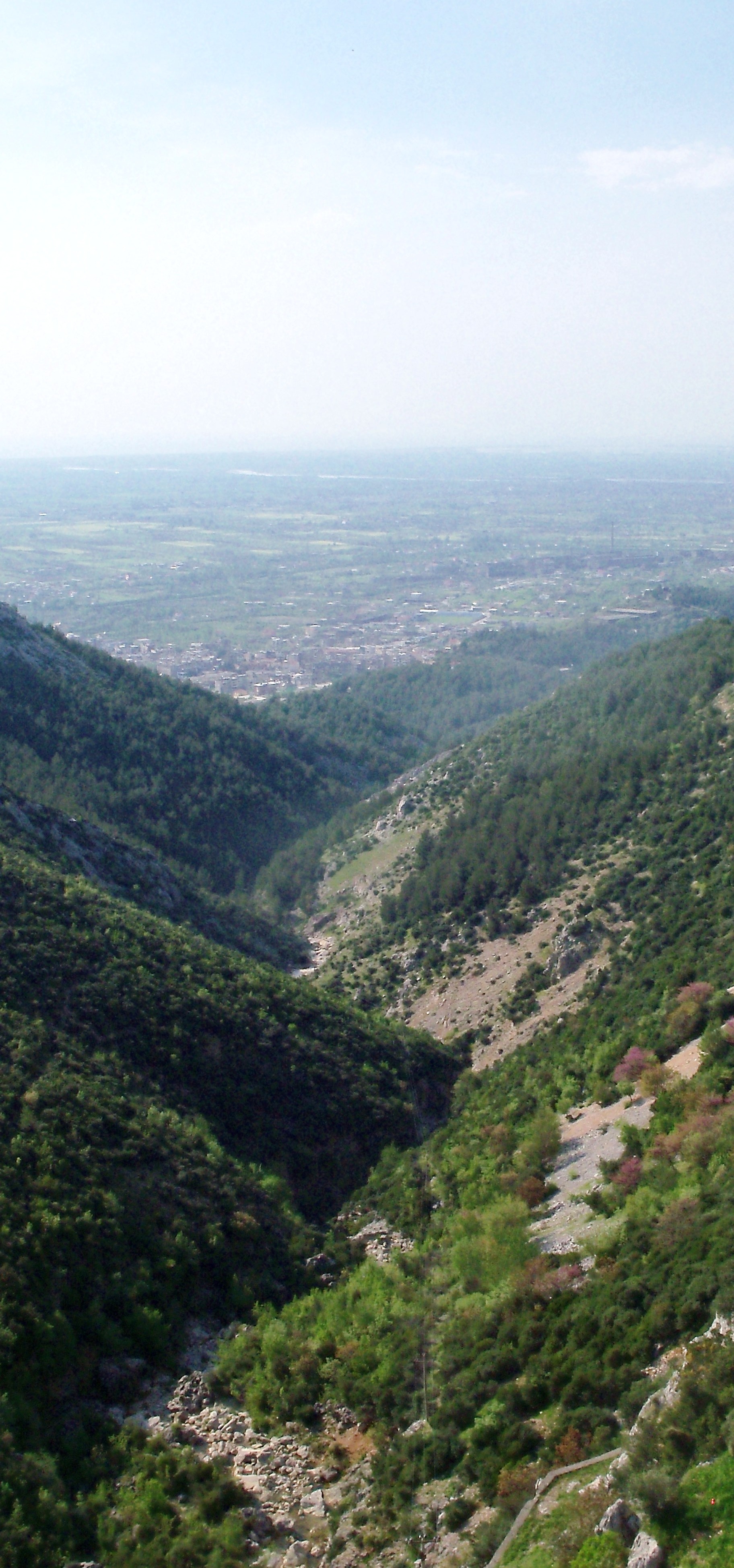
We drove to St. Anthony’s Church of Laç. This church is particularly important to Albanians. Each year on June 13, more then 1,000,000 pilgrims of all religions, even atheists, from all parts of Albania, Kosovo, Macedonia, Montenegro and other countries, flock to this church believed to have healing powers. The history of this place dates back to the 12th century and is filled with tales of mistreated monks that opposed the enemies of Christians, including the Ottoman Empire. The church sits up on a hill and overlooks the entire valley, it’s a stunning location. If you find yourself in Albania, St Anthony Church in Laç is a must see!

lacapr20c

My Albanian Journey

2012-09-09 05.22.29
Mirdite

“Il mare non dice niente! The sea doesn’t say anything,” those were my father’s words whenever I took him to have lunch at our favorite restaurant in Virginia Beach. We would sit on the covered pier and order a glass of Pinot Grigio, to go along with our seafood luncheon and enjoy the salty air breezing in from the Chesapeake Bay. “I love the beach” was always my answer “How can you not love the sea?” “The mountains…now they have something to say…they speak to you. The sea…it just lingers, faceless, waiting….I don’t understand its fascination” he would reply.

That was an ongoing argument because to me the sea and the ocean meant lounging on a beach chair, reading my favorite novel while digging my feet in the hot sand soaking up the sun, or frolicking in the water and jumping the waves. I love the beach! I love everything about it… the salty air…the crabs burrowing in the sand…the aroma of sunscreen, everything. I am married to a wonderful man for thirty-two years, we have spent most of our life traveling the world while he served in the US Navy. Upon his retirement in 1997 we made Virginia Beach our home. I couldn’t be happier; we had a beautiful home, two loving doggies, Mimi and Toby, and lived by the beach! My father would come down from New York during the summer, starting in 2004. For six years he spent a couple of months at our house during in the hot months and one of our big outings was lunch at our favorite seafood restaurant on the pier. It was here that I would always hear him tell me, while gazing out at the Chesapeake Bay “Il mare non dice niente.”

My father, Ndue Gjomarkaj, was Albanian and his family has a long, prominent history in the country, a history that until 2010 I was in quasi-denial about, concentrating more on my Italian half, my mother’s. I was born in Rome, Italy, and although I was raised in both cultures I always felt a bit more Italian knowing the language… the food… the music… it was only natural that I would feel that way. By the time I was 12 years old we immigrated to New York City, where my father’s network of Albanian friends and his brother lived. It was in New York that we were exposed to the Albanian culture more frequently. We had Albanian friends visit often, and yes I always played the dutiful daughter by bringing out the “meze”, a traditional Albanian appetizer and served it to our guests along with espresso and some raki. We attended Albanian functions, weddings and other celebrations, and yet, I only knew the superficial Albania. I wasn’t really aware of what the country was like because throughout my life, up to this point, Albania was hidden beyond a world of secrecy called communism. There wasn’t any information coming out of the country while I was growing up. They were in a world by themselves, suffering under a horrible regime that would last until 1991. When the curtain of communism finally fell, the country was in turmoil for another few years, recovering from corruption, ponzi schemes and trying to establish a democracy, therefore it was not advisable to visit. But, in 1994, after a fifty year absence, my father returned to Albania for a visit, he was now eighty years old but still spry enough to make the trip.

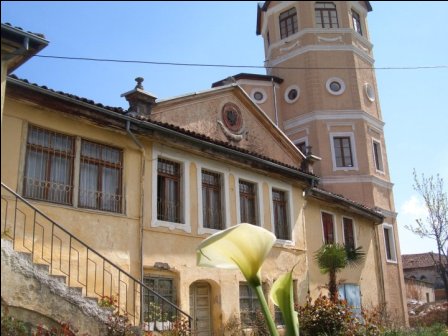
At that time I was living in California with my husband so once again it was not an opportune time for me to visit. After my father’s return, along with my younger sister who went there to escort him back to the US, my thoughts began to turn toward Albania. What were my aunts and uncle like? My father was one of ten children and aside from him and my uncle in New York, there were four more living in Albania, the rest had since passed away. What was our family home like? I’d heard so much about the family’s home in the city of Shkoder, but never saw any photographs, and my thoughts wandered to what it was like. Everyone said it was like a castle, referring to it as the “Kulla Marka Gjoni”, my grandfather’s “kulla”, the tower that overlooked the whole city. I could only imagine it, but never in my wildest dreams could I have imagined the reality of it after seeing it for the first time. It is a wonder…the biggest private domicile within the city limits, a true wonder! Except for one thing.

During the regime the house was occupied by the government who turned it into a school, among other things prior. They also built a one story, communist style, grey cinder block building on the property, adjacent to the main house, to utilize as their offices. Upon the fall of the regime the occupants did as much damage to its interior as humanly possible before abandoning the property. They tore up floors, knocked down walls and ceilings, destroyed any remnants of the beautiful painted ceilings, ripped up floor boards, you name it, they did it. When the rest of my family was released from their respective internment camps, they immediately returned to the house and took possession so as not to let squatters settle in and jeopardize their ownership. They lived in squalor for years, without running water or electricity, while slowly partially repairing some of the rooms. They rebuilt the kitchen and bathroom, and slowly but surely they made half the house livable enough so that they could function comfortably. Until another blow hit them! My cousin Gjon whom they raised while in the camps, who had moved into the house with them and spearheaded the renovations, who got married in the house in 1993 and who had finally found some happiness and comfort, died in 2003 from cancer. This blow set them back another ten years. They would not make any more significant improvements to the house. They would just live. After my cousin died, my older aunt, Marta, soon followed. Now there were three left, my aunt Bardha, my Uncle Deda and my cousin’s wife, Gjilda. Gjon and Gjilda were never blessed with children but she decided to remain in the house and care for them as though they were her own parents.

After my sister came back from her second trip there, in 2010, I decided it was time for me to make my journey. My sister had purchased them a laptop as a gift and downloaded Skype. From May, 2010 we Skyped every night. I got to know them better and they were ecstatic at the prospect of meeting my husband Vince, who doesn’t speak either Italian or Albanian and was suddenly faced with quickly learning rudimentary Italian. Since they all speak Italian, that is our language of choice until I master Albanian and it wasn’t long before we committed to flying over that September and so began my journey, which would become a turning point in my life.

We landed at Rinas, Tirana airport on September 2, 2010 and all I saw were mountains, the Albanian Alps. I couldn’t believe how beautiful they were, surrounding everything within sight. We were picked up at the airport and once in the car, driving to our destination, Shkoder, about one and a half hours north of the Airport, one just could not get away from the mountains. As we were driving toward Shkoder from the airport, I couldn’t help but feel the words of my father. I played his words in my mind over and over again “Il mare non dice niente.” Was it possible that he was right? In looking at the mountains that sprung up in front of me like peaks on a lemon meringue pie, I was overcome with a feeling of pride. I was Albanian after all, these were my mountains, yes I love the sea and still do, but I could not deny the splendor of the majestic peaks lurking all around me. Their jagged edges, their uneven silhouettes, their dotted snow peaks, their rocky facades. My father was right after all “The mountains…now, they have something to say…they speak to you!” And so it was with an open mind and heart that I finally met my uncle and aunt and all my cousins. Now I knew what my father meant! After meeting my family in Shkoder and visiting the home of my father’s youth, I understood all that he was trying to tell me, not just about the mountains, but about Albania in general, her people, her culture and her allure.

Albania is a hidden jewel and so are her people. After having Skyped with my aunt and uncle for over four months I was finally meeting them in person. I was a little nervous to say the least. What if they didn’t like me or my husband? What if I didn’t like them? All that worrying dissipated the minute I set my eyes on my aunt. She picked us up at the airport with a friend. She was sitting in the passenger seat of an Isuzu. We had expected them to be inside the terminal anxiously waiting for us as we exited customs but there was nobody there waiting. I thought “Oh no…they forgot about us”, but nothing could be farther from the truth, they had just gotten stuck in traffic. As we were standing outside the terminal looking out for them, my husband recognized my aunt, “Isn’t that your aunt?” I looked over and there she was, this minute 84 year old lady, hanging on for dear life on the door strap of the Isuzu, wearing the biggest sunglasses ever. She saw us and made the driver stop the car. We immediately went over and helped her out. All she could do was hug us and look at us, really look at us. She was in awe of my husband, who towered over her at 6’3”, she couldn’t say enough about how wonderful it was to meet him, how great he looked, compliment after compliment, while I just stood there smiling. I realize this a patriarchal society, but I am your niece! Then she turned to me, cupped my face in her hands and gave me the biggest, teary smile I ever did see and told me “I am so happy to finally meet you!” Needless to say I got all teary eyed and hugged her and reciprocated the compliment. We all got back into the car and started driving home…to Shkoder. The mountains all around, calling us home.

Once we arrived we pulled up to a big gray steel solid gate, surrounded by high walls. I knew this was the house but you cannot see it from the street, which left me wondering, like an anxious child waiting to open a birthday present, what I would find behind the wall? As soon as the gate was opened I was in awe. This wasn’t just a house, it was a villa, a small palace, a bastion with a tower! It was unbelievable! From the gate to the end of the property, beyond the house, it’s about 150ft. It was a longish walk to the stairs that lead up and into the foyer, and there, standing at the top of the stairs was my 89 year old uncle Deda. As I approached the stairs all he could do was just smile. He had been anxiously awaiting our arrival and the time had finally come to meet us, meet me, his brother’s daughter, his father’s granddaughter. He took one look at me and said “You’re beautiful! Welcome home.”

shkodra2
The house!

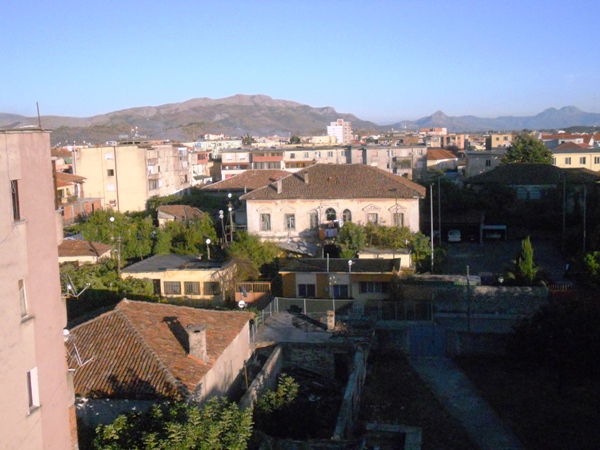
We spent the next ten days in a haze, meeting cousin after cousin, eating deliciously prepared meals by my cousin Gjlda. As it so happened my birthday fell during our visit, which was just another excuse for celebration. When I finally took a tour of the house and went up in the tower, at the very top you can see the city from its windows, practically all of it since it’s octagonal, with those mountains in the background, calling out to you. It was a magical experience and one that I have been repeating every year since. It was then I heard my father’s voice “The mountains…now, they have something to say… they speak to you!” Yes, indeed!!

View from the top of the tower.
livingroom
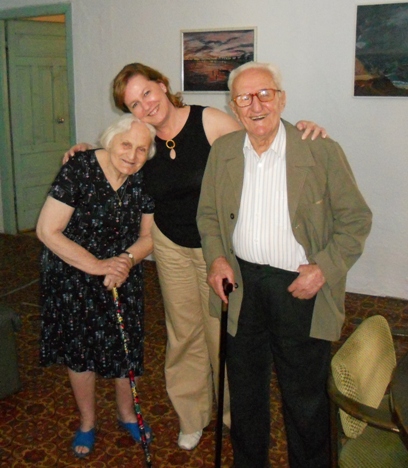
Me with aunt Bardha and uncle Deda.

Footnote: Since writing this article last year we moved to Shkoder and live in the house of my father. We renovated a wing of the house and are occupying it with our two doggies. We came here in November 2012 and spent 4 wonderful months with my dear aunt Bardha. She succumbed to a stroke on March 19th and we miss her dearly. We still love Shkoder and are enjoying my uncle’s companionship as well as slowly getting to know all my cousins. We plan on staying here for as long as we can, enjoy the country and do some traveling.

To read more on my family please visit my page at Gjomarkaj Family History.

Reflections

There are those who choose to hide their heads in the sand, and those who stand out by example. Such is the story of the extraordinary woman who’s article I’m publishing here. Albania has had its share of horror; for fifty years dominated by a monstrous regime who submitted its people to brutal torture and death. Pitting families against each other, murdering innocents, arresting anyone they chose to without reason.

Dott. Elena Gjeka Merlika-Kruja was an accomplished woman who happened to be married to the son of a former Albanian Prime Minister, Mustafa Merlika-Kruja (1887-1958). This was her only crime. She was encamped with other political prisoners for 47 years. Here she writes about a special Christmas day in 1951 when the prisoners stood their ground, firm in their religious belief and unafraid of the horrible consequences they may have had to endure.

Dott. Merlika-Kruja was in the same camp as my aunt, Bardha Bici (Marka Gjoni), they shared the same barrack and for years after were sent to the same camps. My aunt recounted the story of this particular Christmas to me as well and while it was very moving listening to her words, it really hit home reading the words on paper.

I am sharing this story because I feel that the world needs know of the horror Albanians endured, their strength and heroism in overcoming it and their ultimate triumph in the modern world.

There are still many hurdles to overcome but a people that lived through so much is sure to ultimately succeed and be proud of who they were and who they have become.

Elena

Dott. Elena Gjeka Merlika-Kruja

ATTRAVERSO I MIEI RICORDI (Across My Memories)

(Natale 1951)(Christmas 1951)

Telepena – Forty years have passed, but the memories are still so alive and so present. These sentences, these episodes, you who have lived them may not read them but to those who perhaps will attempt to relive them I am dedicating them to you, the silent and forgotten heroes of a tragedy that no one realized was occurring nor realized its extent or depth.

Angela, Maria, Anna, Antonio I can remember hundreds of names more and, like a movie sequence, many faces looking back at me, frightened eyes, pale faces, marked by a sense of terror that accompanied our everyday life.

A concentration camp of forced labor, a lagher, populated by two thousand human beings, almost all from the North of Albania: old, women, children, uprooted in a matter of hours from their homes and herded into five barracks. And to think that, at the time, the entire Albanian population did not reach one million! The plan and place was predetermined and calculated in every detail: a vast plain, almost a small battlefield, precisely surrounded by barracks, a military logistics base for the Italian army during the war between Italy and Greece, during the Second World War. You couldn’t see anything but mountains all around, a cold wind made our life in winter even more disastrous; barbed wire everywhere, absolutely prohibited was the lighting of a fire to keep warm, otherwise the punishment was that of being tied outside all night in the frigid weather. Early in the morning the wake up call. Four hundred people in each barrack, next to each other, squeezing together on boards two-stories long, the length of the barracks. There was no more than 60 centimeters or even less for each one of us; the mattresses, for those who had the good fortune of owning one, seemed tiny and narrow like small bed mats. Then the rollcall, quickly, and head to work. The younger people were all sent to the mountains: about a two-hour drive to arrive and then the fast climb up a narrow path to the top, in the woods where we would be working; you needed strong arms and muscles, chopping down the tree with an ax, split the wood, then carry it on our back down a small clearing, stow it and go back again once, twice, always descending with a new load, overwhelmed by the weight, until the quantity requested by those who accompanied us, our captors, was fulfilled. It looked like a caravan, lined in a row that rose and fell heavily, silent, our feet ached, bled sometimes, fitted with a piece of pigskin, laces holding it in the form of sandals. Until evening. Empty stomachs and mouths parched from lack of water: at sunset the long line of these human beings got back in line to make their way “home.” But always with loads of wood, large and long pieces tied with rope on our backs.

It was already dark when we reached the camp: the old, the sick, anxiously waiting for our return, always behind the high wall of barbed wire, and then the children. I could never forget our children who ran to meet us, barefoot, ragged, our children that we left in the morning and prayed to God we would find them safe and sound in the evening, yet many mothers returned to find little corpses: the illnesses, especially among children, reaped victims without mercy. There were no medicines; a doctor would run his hands through his hair when he was able to come, him too persecuted because of unproven communist faith and whose ability as a professional was fading, impotent in the face of so many disasters and so much misery. Yet the Albanian woman, the Albanian mother of those years was a woman of stoic firmness: with her bare hands she buried her creature, praying but without a tear, there were no more tears in our eyes, we cried them all! The next day we returned to work and so for years; a pot of water with a few beans and a piece of bread was our food and in the morning and bit of water, almost black, that was supposed to be “tea”.

Christmas of 1951 was approaching. Some of our fellow prisoners were priests, Don Nikoll Mazreku, Father Viktor Volaj, Father Giaccomo Gardin S.J., the latter an Italian. Others whose names escape me. We thought of celebrating that Christmas with a Mass. There weren’t only Catholics in our camp, there were also Muslims and Orthodox, but the initiative was to be ours, and it was not easy. In 1951 Churches and Mosques were still open, but they were already planning laws that would have sanctioned their closure and establish Atheism as a national “religion”. At our request the head of the camp responded with a categorical refusal: What does “Christmas” mean, said the director Xhaferr Pogace, we only recognize Easter. With great patience we explained that Easter celebrates the death of our Jesus, but Christmas was the holiday of all Christendom because it celebrates the birth. Nothing to do; worse because Christmas did not fall on a Sunday, but rather, I believe in that distant 1951, on a working day. We ensured him that we were all going to work, without distinction, only if they could grant us to return a bit earlier, before it got dark. We had no light, no candles, not even a small light. So many requests we made to our captors, and we were all united, regardless of creed. There, where we gathered to take the mountain road to work, we stopped until they promised we could celebrate Holy Mass which, in their ignorance, they could not understand what it was and why we held it so dear.

Where to say this Holy Mass? We were given the remains of a barrack, almost destroyed by Greek grenades, although one wall had been miraculously saved, there was room for everyone. And so began the work of cleaning the stones, the rocks, the weeds, always after work, in the dark with pieces of lit pine that served as torches. Don Nikolla and Father Gardin smiling among us, helping us. Father Gardin organizing the chorus, there were no more than seven or eight men and women, but we did it. Don Nikoll was to celebrate the rite; we returned with fury from work that December 25th, 1951; the half destroyed barrack was already crowded, the alter resting on the only wall left standing, erected as best as possible on a pile of stones well arranged and with a white sheet. Don Nikoll had hidden the cup, and some hosts and began the service. Inadvertently our captors came “to watch”, but I am sure above anything else they came out of curiosity to see what it was that we so much asked of them.

Who gave our weak voices so much power that it seemed our echoes almost reached the town? “Adeste Fidelis,” “Night of Stars”, “You Descend from the Stars” spread in the air. Don Nikoll said a few short words, simple, profound, which only Christianity can inspire. You couldn’t hear the softest of breaths; towards the end the sweet and slow notes of “Ave Maria” while the priest repeated, as for centuries: “Ite Missa est”, and then a burst of tears and hands were raised to heaven. And so, with all our strength “Christus Vincit, Christus Regnal”; it was now night time.

Don Nikoll Mazreku and Father Gardin are still alive, I do not know if you will ever read these simple lines but anyone who, like me, was present that Christmas in 1951 in that setting, will never forget them.

I lived forty-seven years in concentration camps, from Tepelena to Valona: yard 216, from Tirana: field no. 3 to Lushnja, Gradish to Pluk, Saver and lastly Grabian, labor camps, camps of marginalization; I was Italian, foreig, a laureate, yet I worked with the highlanders, with those farmers who taught me how to load wood on my back, to sew pigskin, who gave me love and courage; we lived a lifetime.

Back in Italy in the 1990’s I saw a church again, knelt at an altar to receive Holy Communion. Everything is beautiful, suggestive, but nothing can ever match the emotion so deep, so pure of that distant Christmas in 1951, amidst so much pain, so much suffering and yet among so many hopes in the Blessed Virgin, the Rosary, which accompanied us on the return from that labor so inhuman and unjust, the result of a damned and false ideology.

The years passed in our camp, always between work and barracks, amidst diseases and deficiencies of every type: if only one could tell of the hygienic conditions, the tortures to which we were subjected especially the old and the sick. Bathrooms nearly two hundred meters away, ten, if I remember correctly, all for 2000 people, and at night? You had to get there even if sick or impeded in any way, at any cost, or suffer an inhuman punishment: they would hang, on your neck, a pot full of excrement and brought you out among the rest of prisoners, as an example to the others, one day, two… as long as our captors felt necessary. There was time to weep and to laugh in that terrible tragedy!

Christmas 1991

_______________________________________________________________________________________________________

Dott. Elena Gjeka Merlika-Kruja

ATTRAVERSO I MIEI RICORDI

Natale 1991

TEPELENA – Sono trascorsi quarant’anni, eppure i ricordi sono ancora tanto vivi e tanto presenti. Queste righe, questi episodi voi che li avete vissuti non li leggerete forse mai ma chi tentera’ di farli rivivere li dedico a voi, silenziosi e dimenticati eroi di una tragedia che non ci si rendeva conto, vivendola, di quanto grande e profonda fosse.

Angela, Maria, Anna, Antonio, e potrei ricordare ancora centinaia di nomi e, come sequenze di una pellicola, tanti volti tornano a guardarmi, occhi spauriti, visi pallidi, segnati da quel senso di terrore che accompagnava la nostra vita di ogni giorno.

Un campo di concentramento e di lavori forzati, un lagher, popolato da duemila esseri umani, provenienti, quasi tutti dal Nord dell’Albania; vecchi, donne, bambini, sradicati nel giro di poche ore dalle proprie case e ammassati in cinque caserme. E pensare che, a quel tempo, tutta la popolazione albanese non raggiungeva il milione! Il piano e il luogo pprescelto erano stati calcolati fin nei minimi particolari; una vasta pianura, quasi un piccolo campo di battaglia, circondato appunto di caserme, base logistica e militar per l’esercito italiano durante la guerra italo-greca, negli anni della seconda guerra mondiale. Non sivedeva altro che montagne tutt’attorno, un vento gelido ci rendeva la vita, d’inverno, ancor piu’ disastrosa; ferro spinato dovunque, divieto assoluto di accendere un fuoco per scaldarsi, pena la punizione di restare, legati, fuori tuttal la notte al aggiaccio. Di primo mattino il risvegoi. 40 persone per ogni caserma, affiancati l’uno all’atlro su tavolati di due piani, lunghi quanto la caserma. Non era concesso piu’ di 60 e ancor meno centrimetri pe ciascuno di noi’ i materassi, per chi avesse avuto la fortuna di possederne uno, sembravano dei minuscoli e stretti scendiletti. Poi l’appello nominale, in fretta, e partenza per il lavoro. I giovani tutti in montagna: non bastavano due ore di strada per arrivarci e poi arrampicarsi per uno strettissimo e rapidissimo sentiero fin lassu’ in alto, dov’era il bosco in cui lavoravamo’ bisognava avere braccia e muscoli forti, abbattere con la scrure glie alberi, spaccare la legna, trasportarla poi sul dorso fin giu’ in una piccola radura, stivarla e ritornare ancora su, una due volte, ridiscendere sempre carichi, sommersi dal peso, fino a che non si realizzava la quanita’ richiesta da chi ci accompagnava, i nostri carcerieri. Sembrava una carovana che, in fila indian, saliva e scendeva a fatica, silensziosa, con i piedi che dolevano, sanguinavano a volte, calzati da un pezzo di pelle di cinghiale tenuto da lacci a guisa di sandali. Fina a sera. Lo stomaco vuoto e la bocca arsa dalla mancanza d’acquia: al tramonto la lunga fila di questi esseri umani si rimetteva in cammino per tornare a “casa”. Sempre pero’ carichi di legna, gossi e lunghi pezzi legati con la fune sui nostri dorsi.

Era notte ormai, quando raggiungevamo il campo: i vecchi, i malati, attendevano il nostro ritorno sempre con ansia dieto l’alto muro di ferro spinato; e poi i bimbi. Non potro’ dimenticare mai i nostri bimbi che ci venivano incontro, scalzi, laceri, i nostri figli che lasciavamo al mattino e pregavamo Iddio di ritrovarli sani e salvi alla sera; eppure tante mamme trovavano un cadaverino; le mattie, sopratutto tra i bimbi, metevano vittime senza pieta’. Non vi eranoa medicinali; un medico che si metteva le mani qui capelli quando riusciva a venire, anche lui persguitato perche’ di non provata fede comunista e la cui capacita’ professional svaniva, impotente davanti a tante sciagure e a tante miserie. Eppure la donna albanese, la madre albanese di quegli anni e’ stata di una fermezza stoica: cone le sue mani seppelliva la sua creatura, pregava ma senza una lacrima, non v’erano piu’ lacrime nei nostri occhi, le avevamo piante tutte! L’indomani si tornava al lavor e cosi per anni; un caldaione d’acqua con qualche fagiolo e un pezzo di pane era il nostro vitto; al mattino un po’ d’acqua quasi nera, che avrebbe dovuto essere “the”.

Si avvicina il Natal del 1951. Compagni di prigionia erano con noi alcuni sacerdoti, Don Nikoll Mazreku, Padre Viktor Volaj, Padre Giaccomo Gardin S.J., quest’ultimo italiano. Di alcunialtri non ricodo piu’ il nome. Pensammo di celebrarlo quel con una Messa. Non vi erano solo cattolici nel nostro campo, v’erano mussulmani, ortodossi, ma l’iniziativa doveva essere nostra e non fu facile. Nel 51 erano ancora aperte Chiese e Moschee, ma gia’ preparavano le leggi che ne avrebbero sanzionato la chiusura e stabilito l’ateismo come “religione” di Sato. Alla nostra richiesta la direzione del campo pose un categorico rifuto: cosa vuol dire “Natale” disse il direttore Xhaferr Pogace, noi non riconsciamo che la Pasqu. Con immensa pazienza spegammo che la Pasqua celebra la morte del nostro Gesu’, ma il Natale e’ la festa di tutta la Cristianita’ perche celebra la ua nascita. Niente da fare; peggio perche’ Natale non cadeva di domenica ma, mi sembra, in quel lontano 1951 i n un giorno lavorativo. Assicurammo che saremmo andati tutti al lavoro, senza distinzioni, solo ci concedessero di toranre un po’ piu’ presto, prima che si facesse buio. Non avevamo luce, ne candele, nemmeno un lumino. Quante suppliche ai nostri carcerieri, ma fummo tutti solidali, indipendentemente dal credo di ciascuno. La dove ci radunavamo per prendere la strada di montagna per il nostro lavor, ci restammo finche ci promisero dhe potevamo celebrare la S. Messa che, nella loro ignoranza, non riuscivano a capire cosa fosse e perche’ poi ci tenevamo tanto.

Dove dire questa S. Messa? Ci assegnarono gli avanzi d’una caserma, quasi distrutta dalle granate creche; un solo muro era rimasto miracolosamente in piede, ma vi era spazio per tutti. Comincio’ cosi l’opera di ripulitura delle pietre, dei massi, delle erbacce, sempre dopo il lavoro, al buio con pezzi di pino accesi che fungevano da fiaccole. Don Nikolla e Padre Gardin in mezzo a noi soridenti, ad aiutarci. Padre Gardin organizzo’ il coro’ non eravamo piu’ di sette o otto tra donne e uomini ma ce la facemmo. Don Nikoll avrebbe celebrato il rito’ tornammo in furia dal lavor quel 25 Dicember 1951; la semidtrutta caserma era gia affollata, l’alter appoggiato all’unico muro rimasto in piedi, eretoo alla meglio su un cumulo ben disposto di pietre coperto d’un lenzuolo bianco. Don Nikoll aveva tenuto nascosto un calice e alcune ostie e inizio’ la funzione. Quasi inavvertitamente i nostri carcerieri si avvicinarono “per vigilare”, ma, sonon certa, soprattutto per curiosita’ veder cosa fosse quello per cui tanto li avevamo pregati.

Chi dette alle nostre povere voci tanta forza che sembrava l’eco giungesse fin quasi in paese? “Adeste Fidelis”, “Notte di Stelle”, “Tu Scendi Dalle Stelle” si sparsero nell’aria. Don Nikoll pronuncio’ poche parole semplici, profonde, quali solo il Cristianesimo puo’ aspirare. Non si sentiva il ninimo soffi; alla fine soavi e latenti le note dell’Ave Maria, mentre il sacerdote ripeteva come da secoli: “Ite Missa est”, e fu, uno scoppio di lacrime e di mani che si levavano al Cielo. Allora, tutti, con forza, il nostro: “Christus vincit, Christus regnal”; era ormai notte.

Don Nikoll Mazreku e Padre Gardin sono ancora vivi, non so se leggeranno mai queste mie semplici righe ma chiunque, come me, in quel Natal 1951 fu presente in quel scenario, non li dimintichera’ mai.

Ho vissuto 47 anni in campi di concentramento, da Tepelena a Valona, cantiere 216, da Tirana, campo n.3 a Lushnja, Gradish, a Pluk, Save e ultimo Grabian, campi di lavoro, di emarginazione; ero italian, stranier, laureata, eppure ho lavorato con quelle montanare, con quelle contadine che mi hanno insegnato come si faceva a caricare la legna sul dorso, a calzare le “opinga” di pelle di cinghiale, che mi hanno dato affetto e coraggio; abbiamo vissuto una vita intera.

Tornata nel ’90 in Italia ho potutuo rivedera una Chiea, accostarmiad un altare, ricevere la S. Comunione. Tutto e’ bello, suggestivo, ma nulla potra’ mai eguagliare l’emozione cosi’ profonda, cosi pura di quel remoto Natale del 1951, tra tanto dolore, tra tante sofferenze eppure tra tante speranze nella Vergine Benedetta, il cui Rosario accompagnava il ritorno da quel lavoro inumano e ingiusto, frutto d’una ideologia bugiarda e maledetta.

Passavano gli anni nel nostro campo, sempre tra lavoro e caserma, tra malattie, insufficienze d’ogni genera: se solo si potessero raccontare le condizioni igieniche, a quali torture erano sottoposti soprattutto ivecchi e i malati. I bagni lontano quasi duecento metri, dieci, se ben ricordo, in tutto per 2000 persone; e la notte? Bisognava arrivare fin laggiu’ anche se malati o impditi ad ogni costo, pena una condanna inumana: ti appendevano in collo un pentolino pieno di escrementi e ti portavano in giro fra la gente, come esempio pe gli altri, un giorno, due, quando avrebbere trovato giusto i nostri carcerieri. C’era da pianger e da ridere in quella terribile tragedia!

Natale 1991

Shiroke, Shkoder

lake5

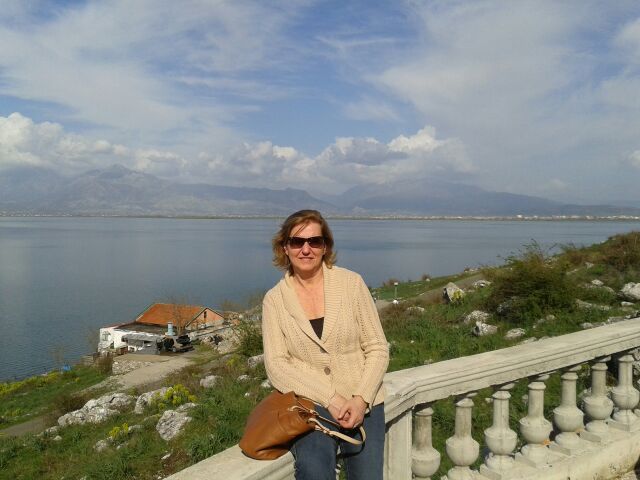
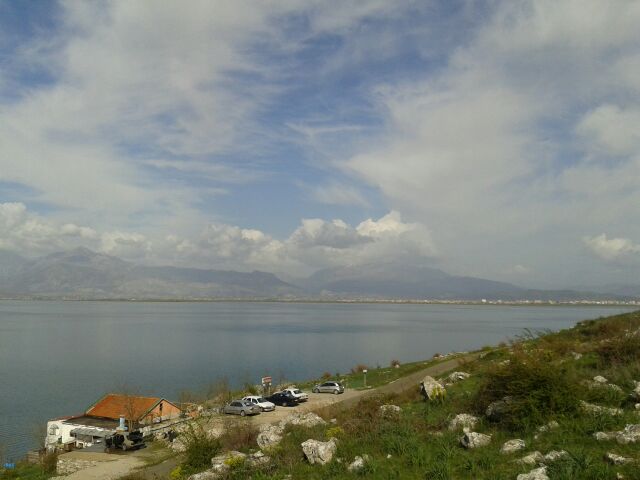
The rain has stopped!!! For a few days anyway, so we decided to take a ride out to Shiroke. Our first stop was the outskirts of the city, where they built a walking path along the lake. It’s a beautiful spot, although in my opinion the walkway should have been built higher than the water level. Shkoder tends to flood during the rainy season and needless to say a large portion of the path was under water, too bad, still we walked part of it and were able to enjoy the gorgeous views of the mountains.

Lake Apr 6

Our next stop was Shiroke, a small town on the lake, across from Shkoder, but still within its city limits. Shiroke is well known for fish and great restaurants along its shore. The area is stunning and again, in my opinion, Shkodra is missing the mark with this spot. There is so much potential here and possibility for tourism but for some reason the powers that be are slow in getting it going. Hopefully sometime in the near future we will witness a revival of this area. In the meantime we are enjoying its quietness and natural beauty!

lake4

//